Types of Hyperpigmentation on the Face – Dallas Med Spa
Types of hyperpigmentation on the face: melasma, sun damage and post-inflammatory hyperpigmentation, plus what causes each one and what each looks like.
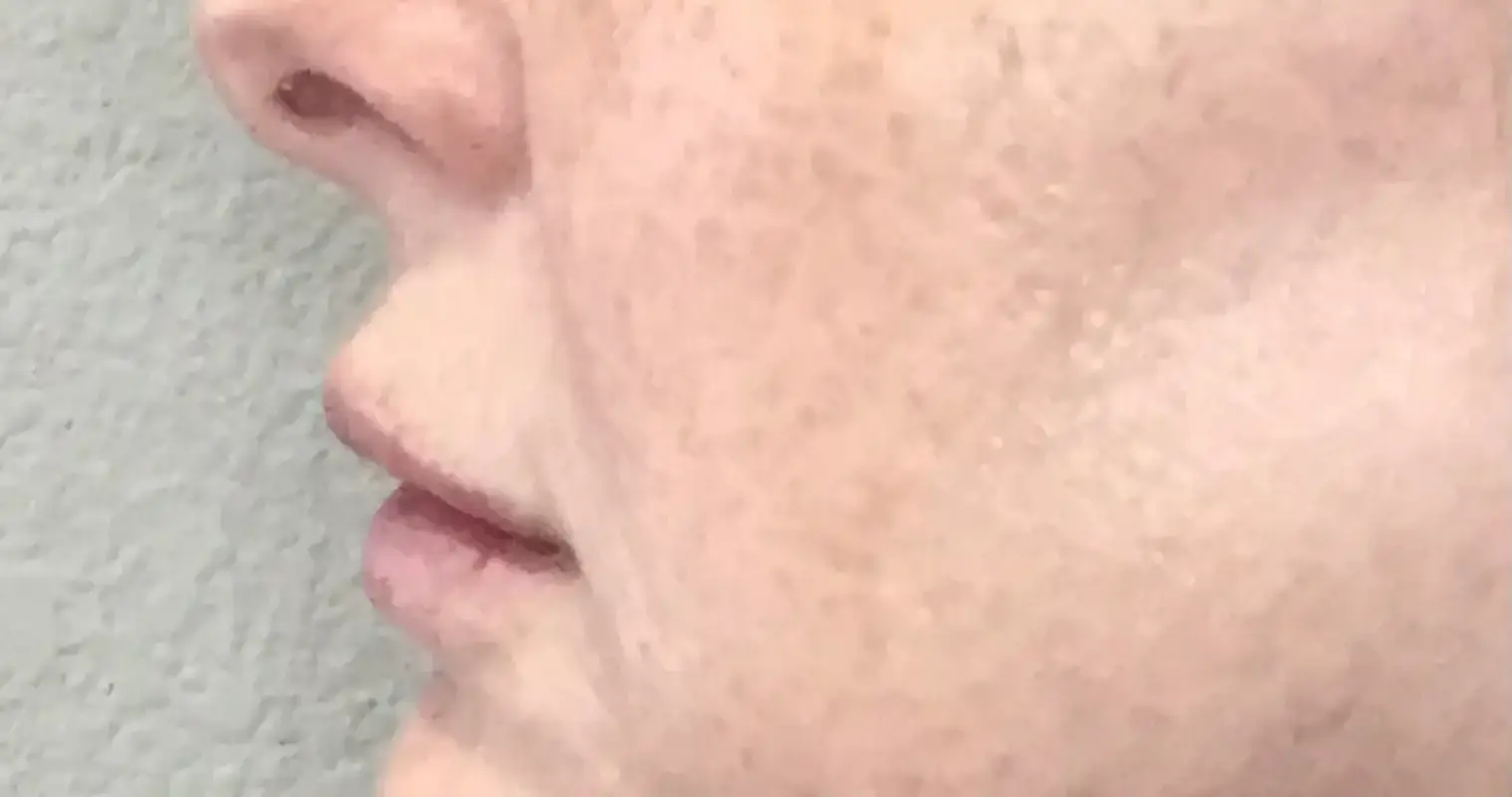
Skin discoloration from hyperpigmentation on your face can negatively impact how you feel in your skin. We discuss what hyperpigmentation is and types of this skin condition below. Wondering which type you have? Build your complimentary treatment plan and we’ll recommend what fits.
What is hyperpigmentation?
If you break it down, hyper means an excess of something, and pigmentation refers to the amount of color in the skin. Hyperpigmentation shows up as areas of your skin that are darker than your natural skin tone, making your complexion uneven.
There are multiple types of hyperpigmentation, mainly:
-
Melasma
-
Sun damage / sun spots
-
Post-inflammatory hyperpigmentation
To better understand these skin conditions, let’s discuss what causes them 👇
Causes of melasma
Melasma is especially common in women–love that for us! Seriously, around 90% of those with melasma are women.
This number makes sense because hormonal changes are believed to be the primary cause of melasma, especially during pregnancy. 15 to 50% of pregnant women experience it; because of its appearance primarily around the nose and cheek area, melasma is colloquially known as “pregnancy mask.” Other common causes are certain types of medications, birth control, genetics, and sun exposure.
What it looks like
Melasma color ranges from light to dark brown and can appear on your face, shoulders, neck, forearms–basically anywhere exposed to the most sunlight. It appears in small or larger unraised patches.
Causes of sun damage
It’s pretty obvious that sun exposure causes sun damage, but to get into specifics, it’s ultraviolet (UV) radiation emitted by the sun that damages your skin. Though other forms of UV light, like tanning beds, can cause photodamage, the sun is the major proponent of this type of skin damage.
According to Yale Medicine, sun damage happens in deeper layers of the skin and can take years to surface. This means what looks like a mild sunburn at first can show up as sun spots much later.
Of course, there is also the risk of skin cancer from sun damage. We strongly recommend wearing SPF 30 or higher every day and reapplying as needed! Daily sunscreen use along with hats, protective clothing, staying in the shade, and other good habits can help reduce your risk of developing sun damage.
Related: Melasma Treatments in Dallas
What it looks like
Hyperpigmentation caused by sun damage looks like uneven pigmentation or discoloration across the skin in areas like the face, neck, chest, and other areas with excess sun exposure. This could be light to dark brown or red tones. Sun damage also contributes to the formation of fine lines and wrinkles and skin laxity, or loose, sagging skin.
Causes of post-inflammatory hyperpigmentation
Post-inflammatory hyperpigmentation occurs as your skin heals from some type of inflammation. The most common type of post-inflammatory hyperpigmentation is from acne, but it can also occur from skin trauma like a burn. Some people’s skin types are more prone to this type of hyperpigmentation than others where your skin takes weeks or even months to fade away the post-inflammatory hyperpigmentation.
What it looks like
Post-inflammatory hyperpigmentation appears as red or brown flat spots that appear in areas that were once inflamed. For example, if you had a particularly angry pimple that finally said see ya later, you may have some hyperpigmentation where it once was as your skin fully heals.
Treat hyperpigmentation on the face at Well Labs+ Medspa Dallas!
We have some of the best options for hyperpigmentation treatments in Dallas. The team at Well Labs+ Medspa Dallas is dedicated to providing the best, most natural-looking results possible.
Our goal is for you to feel better in your skin, not erase your natural beauty. We will provide excellent client care while producing exceptional results for your hyperpigmentation concerns. And, as always, we strive to find options that fit into your budget. Ready to get started? Schedule a consultation with our team.
All information subject to change. Images may contain models. Individual results are not guaranteed and may vary.
The Well Labs+ Editorial Team
Well Labs+ Medspa Dallas
Our team writes these guides to explain treatments in plain language: what each one does, who it suits, and what to expect, so you arrive at your consultation with better questions.
Keep reading
Can a Neck Cream Work for You?
Can a neck cream work for you? See how medical-grade neck creams differ from over-the-counter options, plus Skinbetter, Alastin and SITC products to consider.

Do Chemical Peels Help With Acne?
Do chemical peels help with acne? Learn how peels treat breakouts and acne scars, the types of peels, what to expect, and who makes a good candidate for one.

Explore How DMK Therapies Can Transform Your Skin Wellness Journey
Explore how DMK therapies can transform your skin wellness journey: the Remove, Rebuild, Protect, Maintain approach, key treatments, cost, and first steps.
Build a plan around your goals
Tell us what you want to change and we will recommend a personalized treatment plan.