Going Under the Surface: Understanding Your Skin’s Layers
Learn how the epidermis, dermis, and hypodermis work, plus the quanta dermis, microdermis, and acid mantle, and why your skin's anatomy matters for skincare.

Skin is the body’s largest organ. It’s easy to forget our skin’s role in overall health and wellness. Everything from your immune function to your ability to regulate temperature is dependent, in part, on your skin. It’s tempting to let the skincare aisle fool you into buying 10 different products to meet your needs, but if you want lasting improvements, you need to understand more about what’s happening on (and under) the surface. Want guidance matched to your skin? Build your complimentary treatment plan and we’ll recommend what fits.
Primary Layers
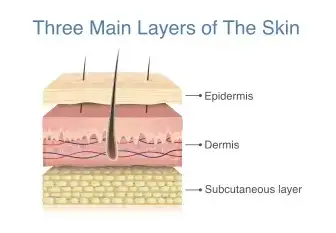 Photo by: solar22 via Shutterstock
There are three primary layers to your skin, each with an essential role in overall health.
Epidermis
The epidermis is your outer, visible layer of skin. This layer contains the skin’s pigmentation and can vary in thickness depending on its location. The epidermis cells serve several vital functions for your body. Merkel cells sense touch, while Langerhans cells help fight infection. Lipids in this layer help form a waterproof barrier that limits the amount of fluid lost through your skin. On the very top are keratinocytes that keep out unwanted substances and produce the protein keratin.
Dermis
The middle layer of the skin is called the dermis. Your hair follicles, capillaries, and nerve endings are all in this layer. The sebaceous glands in this layer produce a body oil called sebum, while the apocrine glands are responsible for your sweat. The tiny blood vessels in the dermis help regulate your body’s temperature and transport nutrients to the upper epidermal layer. The dermis’s bottom section contains collagen responsible for your skin’s flexibility, strength, and structure.
Hypodermis
Underneath the epidermis and dermis is the hypodermis. This layer is also called subcutaneous tissue. Most of your fat, connective tissue, and nerves are stored in this layer. The hypodermis layer protects your muscles and organs and works with the dermis layer to regulate temperature. A hormone called leptin is also produced here; leptin is responsible for keeping all of your body’s systems in balance.
Other Key Segments

We’re also about to get a bit nerdy for a moment, but it’s important! There are three other key skin segments that are critical to the skin’s function. They are found within the three main layers, but their role and features are easy to overlook when discussing skin health. Knowing how these elements interact with your overall health is vital for maintaining the best skin balance.
Quanta Dermis
The quanta dermis segment refers to the elements that interact with sound and light. Electromagnetic rays (specifically the ultra-violent waves, but also other frequencies) are what cause the most common skin damage from sun exposure. Your skin’s nerve endings can also react from exposure to high-frequency sounds. Constant exposure to certain kinds of light and sound waves can increase inflammation and damage your skin.
Microdermis
Your skin has a microbiome just like other parts, such as your digestive system. This microdermis and its makeup affect how well your skin helps to protect against foreign substances invading your body. There is a proper balance of micro-organisms that allow your skin to stay in homeostasis and operate effectively. Everything you put on your skin can potentially disrupt (or help) this balance.
Acid Mantle
The acid mantle is what gives your skin natural moisture. It’s what makes that dewy glow that everyone desires. The acid mantle combines various secretions from lower layers of skin that rise to the surface of your skin throughout the day. Older adults, and those with damaged skin, might notice an uneven distribution of these secretions due to dead cells or other buildup. Maintaining your acid mantle is essential to naturally-hydrated skin.
Knowledge is Power
Now that you have a better understanding of your skin’s anatomy, you can understand why choosing what skincare or treatment is daunting to say the least! The Skincare professionals at Well Labs+ Medspa Dallas have your back! They are trained to use their vast understanding and knowledge of skin’s complex anatomy when planning your upcoming treatments and at-home care. Trust them to steer you (and steer you well) through the maze we call “Our Skin.” To get started, book a consultation with our team.
All information subject to change. Images may contain models. Individual results are not guaranteed and may vary.
The Well Labs+ Editorial Team
Well Labs+ Medspa Dallas
Our team writes these guides to explain treatments in plain language: what each one does, who it suits, and what to expect, so you arrive at your consultation with better questions.
Keep reading
Can a Neck Cream Work for You?
Can a neck cream work for you? See how medical-grade neck creams differ from over-the-counter options, plus Skinbetter, Alastin and SITC products to consider.

Do Chemical Peels Help With Acne?
Do chemical peels help with acne? Learn how peels treat breakouts and acne scars, the types of peels, what to expect, and who makes a good candidate for one.

Explore How DMK Therapies Can Transform Your Skin Wellness Journey
Explore how DMK therapies can transform your skin wellness journey: the Remove, Rebuild, Protect, Maintain approach, key treatments, cost, and first steps.
Build a plan around your goals
Tell us what you want to change and we will recommend a personalized treatment plan.